The Internet of Things Explained: How Connected Devices Work
The Internet of Things (IoT) describes everyday physical objects that collect data or take actions and are connected to a network. Smart thermostats, fitness trackers, connected doorbells, factory sensors and parking meters are all examples. This article explains how these systems fit together and what to think about before adding them to a home or business.
The four layers of an IoT system
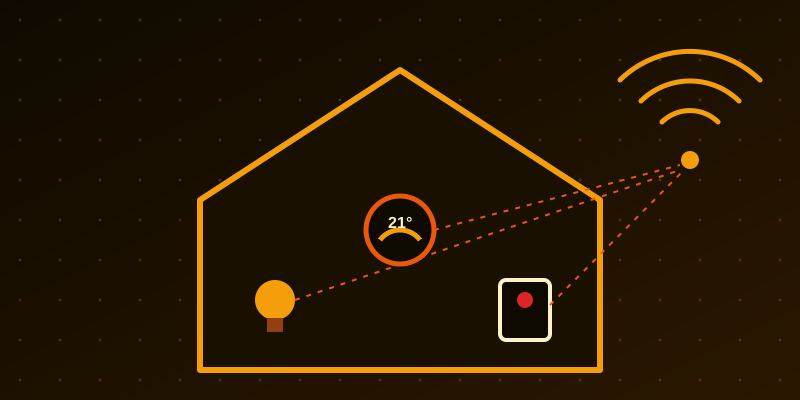
Most IoT products, however different they look, combine the same basic layers:
- Devices with sensors or actuators. Sensors measure something, such as temperature, motion, light, location or energy use. Actuators do something, such as switching a light, turning a valve or locking a door.
- Connectivity. The device sends and receives data over a network. Options include Wi-Fi, Bluetooth, mobile networks and low-power protocols designed for small battery devices, such as Zigbee, Z-Wave and Thread.
- A hub, gateway or cloud platform. Data is collected, stored and processed, either on a local hub or in a provider's cloud service.
- An application. A phone app, dashboard or automation rule turns the data into something useful, such as an alert, a chart or an automatic action.
Edge versus cloud processing
Some processing happens on or near the device, often called edge computing. This reduces delay, keeps working if the internet connection drops and can avoid sending sensitive data elsewhere. Other processing happens in the cloud, which makes it easier to combine data from many devices and access it remotely. Many systems use both.
Common uses
- Homes: heating and cooling schedules, lighting, security cameras, door locks, leak detectors and energy monitoring.
- Health and fitness: wearables that count steps or record heart rate. These are consumer products and, unless approved as medical devices, are not diagnostic tools.
- Buildings: occupancy sensors that adjust ventilation or lighting in empty rooms.
- Industry and agriculture: monitoring machines for signs of wear, tracking shipments, or measuring soil moisture to plan irrigation.
- Cities: traffic counting, smart street lighting and parking availability.
Standards and compatibility
For years, devices from different manufacturers often did not work together. Industry standards aim to fix this. Matter, a connectivity standard backed by many large technology and appliance companies, is designed so that certified devices can work with different smart-home ecosystems. When buying, check which ecosystems and standards a device supports so you are not locked into a single brand.
Security considerations
Connected devices are small computers, and they need the same care. Known problems with some IoT products include default passwords that are never changed, software that is rarely updated, and devices left exposed directly to the internet. Practical steps:
- Change default passwords and use the manufacturer's app to enable two-factor authentication where offered.
- Choose products from manufacturers that state how long they will provide security updates, and install those updates.
- Consider putting smart devices on a separate guest network so a compromised device cannot easily reach your computers.
- Disable features you do not use, such as remote access.
Privacy considerations
IoT devices can collect detailed information about routines, such as when a home is empty, how people move or what they say near a voice assistant. Read what data is collected, where it is stored and whether it is shared. Check privacy settings in the companion app, and think about the people other than yourself, such as visitors or neighbours, who may be recorded.
Is it worth it?
The most useful IoT setups solve a specific problem: saving energy, catching a water leak early or checking that a door is locked. Gadgets added for novelty often end up unused. Start with one clear goal, choose devices that support open standards and long-term updates, and expand only when the first step proves its value. Our homepage overview explains how IoT fits with AI and cloud computing.